Table of Contents
7 Ways to Make Your Hot Water Heater More Energy Efficient
Do you want to lower your energy bills? Or maybe you prefer a more eco-friendly lifestyle. Either way, making your hot water heater efficient is a smart move. These units use a lot of power. In fact, the US Department of Energy states that water heating accounts for about 18% of your home’s energy cost.
Quick Efficiency Upgrades at a Glance
| Action Item | Difficulty | Estimated Savings |
|---|---|---|
| Lower Thermostat to 120°F | Easy | 3-5% per 10°F drop |
| Tank Flush (Sediment Removal) | Medium | Higher heating speed |
| Switch to Tankless | Hard (Pro required) | Up to 40% |
| Insulate Tank & Pipes | Easy | 7-16% lower heat loss |
Simple Tactics to Improve Efficiency
You can use easy habits and low-cost upgrades to reduce energy costs. These methods work for both gas and electric water heaters.
Adjust Your Thermostat Settings
Lowering the thermostat has a huge impact on your energy spend. Manufacturers usually set heaters between 130 and 140°F. This is often too hot for human skin. Small children can even scald themselves by accident. We suggest a setting of 120°F. You save 3-5% for every 10 degrees you drop. If your model lacks a temperature display, use a thermometer at the tap to check.
The Benefits of Tankless Water Heaters
Tankless water heaters offer a high-performance alternative to old models. They provide limitless hot water and can save you 40% on bills. Unlike traditional water heaters, they only run when you turn on the tap. Traditional tanks cycle on and off all day to keep a large reservoir hot. Tankless units stop this waste by heating water on demand.
Choosing the Correct Size
Is your heater the right size for your home? A smaller unit doesn’t always save energy. In fact, an undersized heater works too hard. The burner runs constantly because the unit struggles to meet demand. This leads to very high utility bills. Invest in a bigger heater if your current one runs non-stop.
Advanced Maintenance for Longevity
Proper maintenance prevents early failure. It also keeps your energy bills predictable.
Managing Sediment and Hard Water
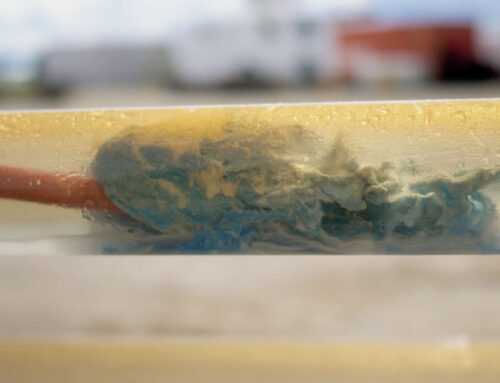
Minerals in the water significantly affect heater efficiency. This is a common issue if you live in a region with hard water. Minerals crystallize and settle at the bottom of the tank as sediment. This layer slows down the heating process. Drain your tank once or twice a year to remove this buildup. Also, consider checking your anode rod to protect the tank interior.
Adding Insulation to Tanks and Pipes
Tanks and pipes lose a lot of heat to the surrounding air. Insulate your storage tank and exposed pipes to save energy. Insulation blankets are very affordable and effective. Ensure you do not cover the thermostat or the burner area on gas tanks. If you find damp spots on your insulation, call for water leak detection services immediately.
Using Timers and Saving Water
A simple volt timer can turn off an electric heater overnight. This prevents the unit from heating water while everyone sleeps. Finally, use less hot water. Shorter showers and cold-water laundry cycles make a big difference. These small habits lead to lower power bills.
Frequently Asked Questions
Is 120°F safe for my family?
Yes. 120°F provides enough heat for household tasks while preventing burns. It is the standard recommendation for safety and savings.
How do I know if I have sediment buildup?
Listen for popping or rumbling sounds from the tank. These noises occur when steam bubbles escape through the sediment layer. If your water takes longer to heat, you likely have buildup.
Can I install a tankless heater myself?
We recommend professional installation. Tankless units require specific venting and gas line sizes to operate safely and efficiently.
Do insulation blankets really work?
Yes. They can reduce standby heat loss by 25-45%. This is especially helpful if your heater is in a cold basement or garage.
Will a timer damage my electric heater?
No. Timers are designed for this purpose. They simply manage the power supply to ensure the heater only runs when needed.
Have more questions? For a full consultation, contact Lifetime Plumbing online or call (773) 595-1867. We are the water heater experts in Chicago!