Table of Contents
Can You Put Coffee Grounds Down the Sink? A Deep Dive into Plumbing Risks
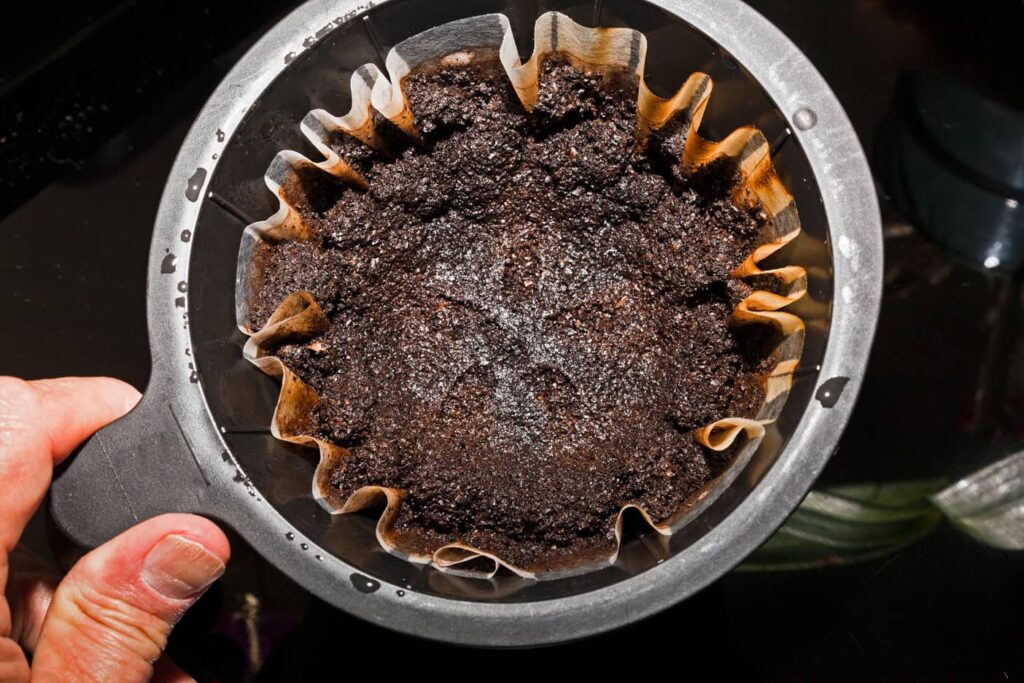
Coffee is much more than just a morning ritual; it’s a global phenomenon with over 2 billion cups enjoyed every single day. But for every cup brewed, there’s a pile of wet, heavy waste left behind. As homeowners, it’s only natural to wonder: Can you put coffee grounds down the sink? It seems like a quick, mess-free solution, but the reality is that your kitchen drain is not built to handle coffee waste.
At Lifetime Plumbing, we’ve seen countless kitchen sinks backed up because of this exact habit. While coffee grounds are organic, they don’t simply dissolve and wash away like liquid waste. In fact, disposing of them in your plumbing can lead to some of the most stubborn and expensive clogged drains you’ll ever encounter.
At-a-Glance: Why Coffee Grounds and Sinks Are a Bad Match
| Feature | How It Affects Pipes | The Plumber’s Verdict |
|---|---|---|
| Solubility | Non-soluble (Doesn’t dissolve) | High Risk |
| Density | Heavier than water; settles in traps | Guaranteed Buildup |
| Consistency | Becomes a thick, oily sludge | Hard to Flush |
The Science of the “Concrete Clog”
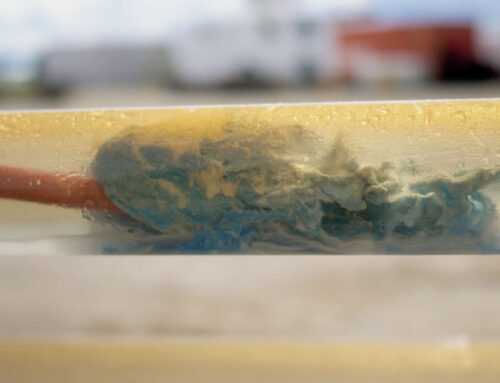
You might think your garbage disposal can handle a few grounds, but that’s a dangerous misconception. Garbage disposals are designed to shred soft food particles, not grind down gritty materials like coffee. When grounds enter your pipes, they act more like sand or fine gravel. They settle in the low spots of your plumbing—most notably the “P-trap.”
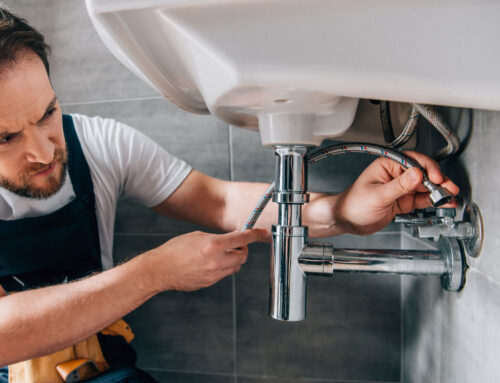
The problem escalates when the grounds meet fat, oil, or grease (FOG). The gritty grounds bind with the grease, creating a mass that hardens over time. In older Chicago homes with cast-iron or galvanized pipes, this is a recipe for disaster. If you’re curious about the layout of these pipes, you can take a look at our sink parts diagram to see exactly where these clogs form.
Smart and Eco-Friendly Ways to Dispose of Grounds
If the sink is off-limits, what should you do with that daily pile of grounds? Fortunately, coffee waste is incredibly versatile and can be repurposed in several productive ways:
- Start Composting: Coffee grounds are a “green” organic material, meaning they are rich in nitrogen. They help speed up the composting process and create nutrient-rich soil for your garden.
- Natural Pest Control: Many garden pests, including slugs and snails, find the texture of coffee grounds abrasive. Sprinkling them around your plants can act as a natural barrier.
- Fertilize Your Garden: Coffee grounds are slightly acidic and provide essential nutrients like nitrogen, potassium, and phosphorus. They are perfect for acid-loving plants and help maintain healthy root systems.
- Household Cleaning: Use the abrasive texture of dried grounds to scrub away stuck-on food from pots and pans without using harsh chemicals.
Emergency Steps: If the Grounds Are Already Down the Drain
Mistakes happen. If you or someone in your house dumped a large amount of coffee down the sink, don’t wait for the water to stop flowing. Try these steps immediately:
- The Hot Water Flush: Run your hot water tap at full pressure for 5 to 10 minutes. This might help push the loose grounds through the trap and into the larger main sewer line before they have a chance to settle.
- Baking Soda and Vinegar: This natural chemical reaction can create enough turbulence to dislodge small accumulations. Pour a cup of baking soda followed by a cup of vinegar, wait 15 minutes, and then flush with boiling water.
- Use a Kitchen Plunger: If the sink is draining slowly, use a plunger to create a vacuum seal. This is often enough to pull grounds out of the P-trap and break them up.
- Mechanical Snake: For deeper blockages, you may need to learn how to use a plumbing snake. A professional-grade snake can reach beyond the sink trap to clear out sludge.
If these DIY methods don’t solve the problem, you likely have a significant build-up that requires professional drain cleaning. In severe cases where the pipes are completely blocked, we often use hydro-jetting services to restore the pipes to a “like-new” condition.
Frequently Asked Questions
Why does coffee clog the sink so much faster than other food?
Unlike pasta or vegetables, coffee is made of tiny, hard particles that don’t soften in water. They are heavy enough to sink to the bottom of your pipes rather than floating away.
Can coffee grounds cause a sewer backup?
Yes. If your main line already has issues like tree root intrusion, the coffee grounds will get caught in the roots, quickly turning a small issue into a full-scale sewer backup.
Is it safe to put coffee grounds in the garbage disposal?
Definitely not. Disposals don’t grind them; they just act as a delivery system that sends the grounds straight into your drain trap where they settle.
Protect Your Chicago Home’s Plumbing
Habits like dumping coffee grounds down the sink are one of the most common plumbing issues in Chicago. By making a small change to how you dispose of waste, you can prevent major headaches and expensive repairs. Remember, your drains are designed for water and small amounts of biodegradable waste—not gritty sludge.
Is your kitchen sink slow or completely blocked? Contact Lifetime Plumbing today and let our Chicago experts get your system back on track!