Table of Contents
- 1 Comprehensive Guide to Common Plumbing Issues in Chicago Homes
- 2 1. Frozen and Burst Pipes: The “Polar Vortex” Threat
- 3 2. Leaking Faucets and Fixture Deterioration
- 4 3. Persistent Clogs and Drain Maintenance
- 5 4. Low Water Pressure: Finding the Culprit
- 6 5. Sump Pump Failures and Basement Protection
- 7 6. Sewer Line Backups and Tree Root Intrusion
- 8 7. Corroded Galvanized Pipes
- 9 FAQ Common Plumbing Issues in Chicago
Comprehensive Guide to Common Plumbing Issues in Chicago Homes
Living in the Windy City brings unique rewards, but the local climate and aging infrastructure create a specific set of challenges for homeowners. Common plumbing issues in Chicago homes are often more severe than in other regions due to our extreme temperature fluctuations and the historic nature of many residential districts. At Lifetime Plumbing, we specialize in addressing these local complications, from frozen lines in bungalows to deteriorating sewer systems in vintage high-rises.
Understanding these issues is the first step toward protecting your property value and ensuring your family’s comfort. In this guide, we provide expert insights into identification, DIY mitigation, and professional repair strategies.
At-a-Glance: Common Plumbing Issues in Chicago – Troubleshooting & Urgency
| Plumbing Problem | Primary Local Cause | Urgency Level | Risk Factor |
|---|---|---|---|
| Frozen/Burst Pipes | Sub-zero temperatures | Extreme | Structural flooding |
| Sewer Backups | Tree roots & old clay tiles | High | Biohazard / Health |
| Corroded Lines | Aging galvanized steel | Moderate | Lead/Water quality |
| Sump Pump Failure | Heavy rain / Storm surges | Seasonal High | Basement damage |
1. Frozen and Burst Pipes: The “Polar Vortex” Threat

Chicago winters are legendary, and so is the damage they cause to plumbing. When temperatures drop below freezing, water inside exposed pipes expands, exerting thousands of pounds of pressure per square inch. This leads to fractures that stay hidden until the ice thaws, resulting in sudden, massive flooding.
- Prevention: Insulate pipes in unheated crawlspaces, basements, and attics. During extreme cold, let your faucets drip to keep water moving.
- Fix: If you find a frozen pipe, shut off the main water valve immediately. Thaw the pipe slowly using a hairdryer—never use an open flame.
2. Leaking Faucets and Fixture Deterioration
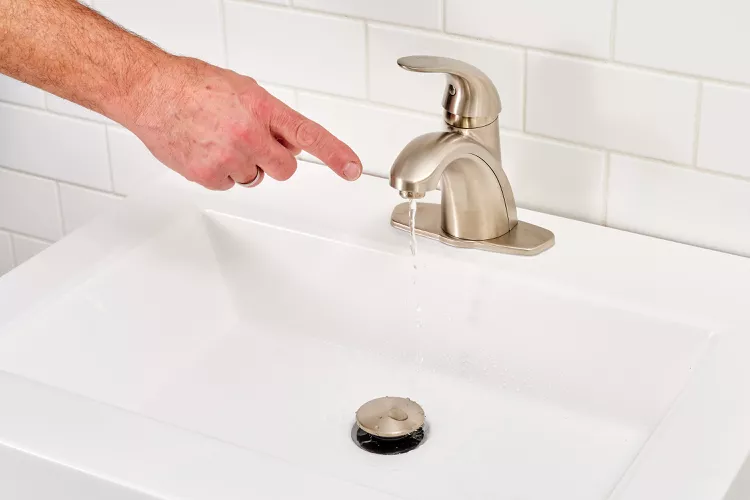
A dripping faucet is more than an annoyance; it’s a drain on your finances. In Chicago, hard water minerals can degrade internal components quickly. Whether it’s a worn-out washer or a cracked ceramic disc, most leaking faucets can be repaired by identifying the specific faucet type and replacing the internal cartridge.
3. Persistent Clogs and Drain Maintenance
From kitchen grease to bathroom hair, clogged drains are a universal headache. However, in older Chicago homes, these clogs are often exacerbated by “bellied” pipes (pipes that have sagged over decades). Avoid chemical drain openers; the harsh acids can eat through vintage cast iron pipes, leading to leaks behind your walls.
4. Low Water Pressure: Finding the Culprit
If your shower has lost its power, the cause could be simple or complex.
- Simple: Mineral deposits in the aerator or showerhead.
- Complex: A hidden water leak or significant corrosion in your home’s main water line.
If cleaning your fixtures doesn’t help, a professional inspection is required to check for low water pressure issues deeper in the system.
5. Sump Pump Failures and Basement Protection

Chicago’s heavy spring rains put immense pressure on basements. A sump pump is your primary defense against basement flooding. Most pumps last about 7 to 10 years. If yours is older, or if it makes strange noises, it may fail exactly when you need it most. We highly recommend a battery-backup system for peace of mind during power outages.
6. Sewer Line Backups and Tree Root Intrusion
Many Chicago neighborhoods are famous for their lush, tree-lined streets. Unfortunately, those roots seek out the moisture in old clay sewer pipes. Once they find a crack, they grow inside, causing massive sewer backups. Symptoms include multiple drains clogging at once or gurgling sounds from your toilets.
7. Corroded Galvanized Pipes
If your home was built before the 1960s, it might still have galvanized steel pipes. Over time, these pipes rust from the inside out. This reduces water flow and can even affect the taste and safety of your water. Our repiping services can modernize your home with PEX or copper, improving both pressure and water quality.

FAQ Common Plumbing Issues in Chicago
Why do my pipes rattle when I turn off the water?
This is known as “water hammer.” It occurs when water stops abruptly, causing a shockwave. It can damage pipe joints and is often solved by installing water hammer arrestors.
Is Chicago’s water “hard” and how does it affect my plumbing?
Yes, Chicago water contains minerals like calcium and magnesium. These minerals create “scale” buildup inside your water heater and faucets, reducing their efficiency and lifespan.
How often should I flush my water heater?
We recommend flushing your water heater once every 6-12 months. This prevents sediment buildup, which can burn out heating elements and cause the tank to fail prematurely.
What should I do if my sewer smells?
A sewer smell usually means a “P-trap” has dried out or there is a crack in a vent pipe. Try pouring water down rarely used drains first. If the smell persists, call us for an inspection.
Take Control of Your Home’s Plumbing Today
Don’t wait for a small drip to turn into a major insurance claim. Addressing common plumbing issues in Chicago homes requires a mix of vigilance and professional expertise. Whether you need a simple drain cleaning or a full sewer line replacement, Lifetime Plumbing is your local partner for reliable, high-quality service.
Ready for a worry-free home? Contact Lifetime Plumbing today to schedule your professional inspection!
Table of Contents
- 1 Comprehensive Guide to Common Plumbing Issues in Chicago Homes
- 2 1. Frozen and Burst Pipes: The “Polar Vortex” Threat
- 3 2. Leaking Faucets and Fixture Deterioration
- 4 3. Persistent Clogs and Drain Maintenance
- 5 4. Low Water Pressure: Finding the Culprit
- 6 5. Sump Pump Failures and Basement Protection
- 7 6. Sewer Line Backups and Tree Root Intrusion
- 8 7. Corroded Galvanized Pipes
- 9 FAQ Common Plumbing Issues in Chicago