Table of Contents
How to Fix a Dripping Faucet: A Detailed Guide for Homeowners
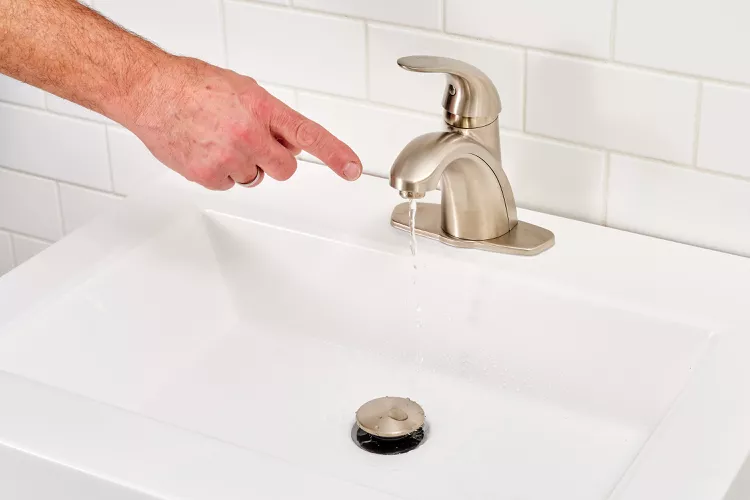
There is nothing quite like the steady, rhythmic drip-drip-drip of a leaky faucet to test your patience, especially in the middle of the night. It’s a common household headache, but one that homeowners often ignore for too long. Beyond being a nuisance, that small leak is a silent budget killer, wasting hundreds of gallons of water and spiking your utility bills. Worse yet, if left unchecked, a simple drip can lead to permanent damage to your fixtures or even hidden water damage in your cabinetry. Many of these issues are common occurrences in our daily kitchen plumbing services and bathroom repairs.
At-a-Glance: Identify Your Faucet Type & Repair Method
| If it looks like… | It’s probably a… | The likely fix |
|---|---|---|
| Two separate handles | Compression Faucet | Replace the rubber seat washer |
| One handle, rounded cap | Ball-Type Faucet | Replace neoprene seals and springs |
| Single handle, heavy feel | Ceramic-Disk | Replace the ceramic cartridge |
Understanding the Different Types of Faucets
Before you start taking things apart, you have to know what’s inside. Faucets are the same. Each type has its own mechanism and common failure points.
Repairing a Compression Faucet
A compression faucet is one of the most common types found in older homes. This traditional faucet operates with a stem that moves up and down to regulate water flow. If you have to physically “crank” the handle down to get the water to stop, you’re looking at a compression faucet.
- How it works: In a compression faucet, when you turn the handle, the stem lowers, allowing water to flow. A rubber washer at the bottom of the stem creates a seal when the water is off.
- The common fix: Start by turning off the water supply. Disassemble the faucet handle and remove the stem. Locate the seat washer at the bottom of the stem and replace it with a new one. Use an adjustable wrench to carefully loosen and remove the stem nut.
How Washerless Faucets Work
A washerless faucet utilized alternative mechanisms to control the flow of water. Some examples of washerless faucets include ball-type faucets and ceramic-disk faucets. Instead of a washer, they have a cartridge that regulates the temperature and flow.
Pro Tip: In Chicago, we deal with a lot of mineral buildup. If your handle feels stiff, that’s hard water affecting your plumbing. You might need to soak the parts in vinegar or replace the cartridge entirely.
Solving Ball-Type Faucet Issues
The ball-type faucet operates using a rounded ball-shaped cap that contains several small openings. When the handle is turned, the ball rotates, aligning these openings with the faucet’s water inlets to regulate the water flow.
Repairing a dripping ball-type faucet involves replacing the neoprene seals and checking the ball for any signs of damage. Because there are many small components, we usually recommend buying a “faucet rebuild kit” rather than individual seals.
Maintenance for Ceramic-Disk Faucets
Ceramic-disk faucets use two ceramic disks to control water flow. These disks move against each other to open or close the water passages. While incredibly durable, a single piece of sediment trapped between the disks can cause a leak. You’ll usually need to find and remove the cartridge beneath the handle and inspect it for cracks or mineral chips.
General Steps to Repair Any Dripping Faucet
- Shut off the water supply: Look for the valves under the sink.
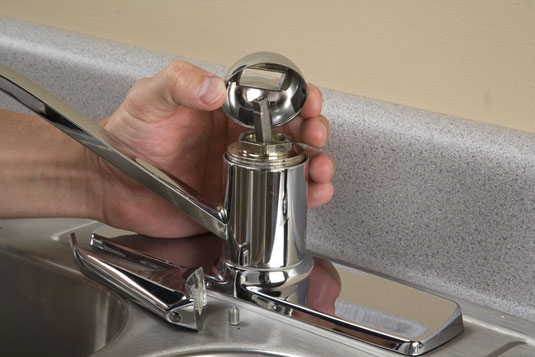
- Disassemble the handle: Pop off the decorative cap and unscrew the handle.
- Inspect faulty components: Check for worn-out seals or O-rings. Use our sink parts diagram to identify any confusing pieces.
- Reassemble the faucet: Align the parts properly and avoid over-tightening.
- Test for leaks: Run the water for a few minutes.
When to Call a Professional
DIY is great, but some signs indicate a more serious underlying issue that requires expert attention from professional Skokie plumbers:
- Low Water Pressure Throughout the House: Could be a sign of clogged main lines.
- Rusty Water from the Faucet: Indication of internal corrosion in your plumbing system.
- Persistent Leaks: If the drip persists despite new parts, you may need professional water leak detection services.
Dripping Faucet: Frequently Asked Questions
1. How much water am I actually losing from a drip?
Think about it this way: a single faucet dripping once per second wastes roughly 3,000 gallons of water every year. That’s not just a drop in the bucket; it’s practically like filling up a small swimming pool or taking 180 extra showers for no reason.
2. Why won’t the leak stop even after I put in a new washer?
It’s incredibly frustrating, but if the leak persists, the culprit is often a damaged metal valve seat. If that metal isn’t perfectly smooth, a new rubber washer simply can’t create an airtight seal. You’ll either need a seat-dressing tool or, more likely, a completely new fixture.
3. Can I just use WD-40 if the handle is stuck?
Please, don’t do that! We see this a lot, but WD-40 is a solvent that can actually eat away at your rubber O-rings over time. For plumbing, you should always stick to silicone-based plumber’s grease to keep things moving smoothly without causing a flood later.
4. Why is my faucet making a weird whistling sound?
That “singing” or whistling sound is usually caused by a loose part vibrating as water rushes past it. Often, it’s just a worn-out washer that’s the wrong size or a screw that has wiggled loose inside the stem.
5. How do I figure out the brand of my faucet without a logo?
It’s like a puzzle. Usually, you can find a small model tag on the supply lines hidden under the sink. If that fails, your best bet is to take the old cartridge to a local hardware store here in Chicago—most old-school pros can spot the brand just by looking at the stem’s shape.
6. What’s the typical cost for a pro to fix this?
Generally, you’re looking at somewhere between $150 and $300 for a standard repair. However, if the internals are totally rusted out, we often suggest a full faucet installation as the more cost-effective move for the long run.
7. Is a drip really a “plumbing emergency”?
A slow drip? Usually not. But if the water literally won’t shut off or is spraying into the cabinet, that’s a different story. In those cases, shut the main valve and call an emergency plumber immediately before your floor is ruined.
Contact Lifetime Plumbing today for all your faucet repair needs!