Table of Contents
How to Prevent Frozen Pipes: A Practical Winter Guide
When Chicago temperatures plummet, frozen pipes become a homeowner’s worst nightmare. Understanding how to prevent frozen pipes is the only thing standing between you and a flooded basement that smells like a swamp. When water turns to ice inside a line, the pressure doesn’t just sit there—it builds until the pipe wall literally explodes. This guide covers the essential steps to protect your home and keep your water running during the most brutal cold snaps.
Why Frozen Pipes Burst Under Pressure
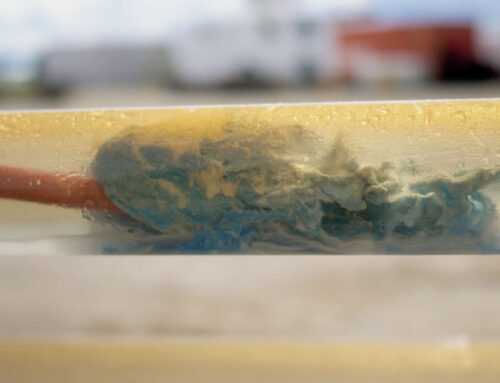
It is a common myth that the ice itself breaks the pipe. In reality, frozen pipes fail because of hydraulic pressure trapped between the ice blockage and a closed faucet. This pressure is immense, often exceeding several thousand pounds. If you have lines running through unheated crawl spaces or drafty exterior walls, you are in the danger zone. Often, minor water leaks are the first warning sign that your plumbing is struggling with the cold.
The Real Cost of Winter Pipe Damage
Fixing a cracked joint is the easy part. The real nightmare is the mold remediation, warped floorboards, and the spike in your insurance premiums. Routine plumbing maintenance isn’t just a suggestion; it’s a survival tactic for your house’s foundation. Investing a few dollars in insulation now is much cheaper than an emergency restoration later.
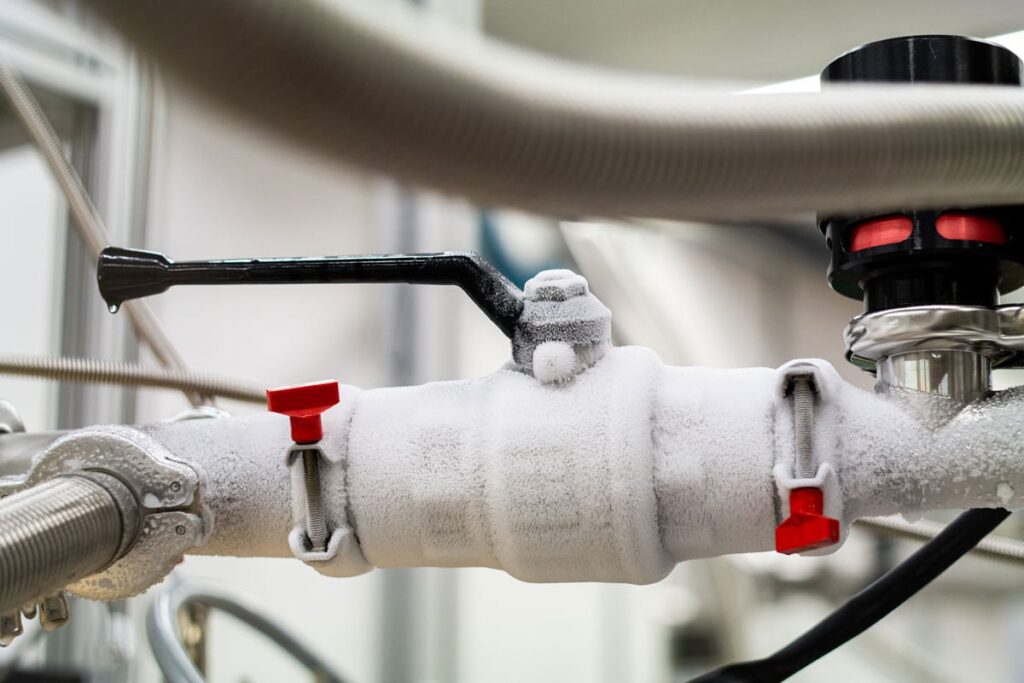
Active Methods for Preventing Frozen Pipes
You don’t need a massive budget to winterize your plumbing. You just need to be thorough and address the cold spots in your home before the temperature drops below 20°F. Most of these fixes are DIY-friendly and take less than an afternoon.
Insulation and Draft Control Strategies
Your first move should be wrapping exposed lines. Use foam sleeves or fiberglass wrap on any pipe that isn’t in a heated room. Pay special attention to the attic and basement. If you have old, fragile plumbing, it might be time to consider upgrading your pipes to PEX, which handles expansion much better than rigid copper. Don’t forget to caulk around dryer vents where cold air sneaks in.
Using Your Thermostat to Avoid Frozen Pipes
Consistency saves lives—and pipes. Don’t try to save $20 on your heating bill by turning the furnace down when you go to work. Keep your home at a steady temperature day and night. If you’re heading out of town, never set the heat lower than 55°F. Most importantly, make sure everyone in the house knows how to turn off your main water valve. If a pipe does blow, every second counts.
Drip Your Faucets During Extreme Cold
When the “Polar Vortex” hits, physics is against you. Let the faucets on exterior walls drip just a tiny bit. This keeps the water moving and, more importantly, relieves that killer pressure that causes frozen pipes to rupture. Also, swing those vanity and kitchen cabinet doors open. It looks messy, but it lets the heat from your room reach the plumbing tucked away in the dark corners.
What to Do if You Suspect a Freeze
If you turn the tap and get nothing, or just a pathetic dribble, the freeze has already started. Don’t panic and reach for a blowtorch. You can often save the situation by following a proper guide on how to thaw frozen pipes safely. Use a hair dryer or a portable heater, and always keep the faucet open so the melting water can escape.
Frequently Asked Questions
1. Will my pipes freeze at 32 degrees?
Usually, no. While water freezes at 32°F, the pipes inside your walls are sheltered. The real danger starts when it hits 20°F outside for a sustained period, especially if it’s windy.
2. Does pouring salt down a drain prevent freezing?
Not really. While salt lowers the freezing point, it won’t stay in the “trap” long enough to protect the whole system. Proper insulation is the only real fix.
3. Can I use a heat gun to thaw a pipe?
Be extremely careful. A heat gun gets much hotter than a hair dryer and can melt solder joints or ignite dust behind your walls. A hair dryer is much safer for DIYers.
4. How do I know if my pipe is cracked before it thaws?
You can’t always tell visually. However, if you see frost on the outside of a copper pipe or the pipe looks “bulged,” it’s likely compromised. Get a bucket ready for the thaw.
5. When is it time to call a Chicago plumber?
If you can’t find the freeze point or if you see water spraying out as the pipe thaws, shut off the main valve and call a licensed plumber immediately. DIY ends when the flooding starts.
Worried about your plumbing this winter? Contact Lifetime Plumbing. We specialize in winterization and emergency repairs across the Chicago area!