How to Effectively Remove Foul Bathroom Odors for Good
Let’s be honest: nobody likes talking about bathroom odors, but ignoring them only makes the problem worse. Whether it’s a faint musty whiff or a sharp, aggressive stench, these smells are usually a cry for help from your plumbing or ventilation system. Masking the air with floral sprays? That’s just a temporary fix. To actually remove bathroom odors, you’ve got to get your hands dirty and find the source. At Lifetime Plumbing, we’ve seen it all—from dried-out traps to hidden mold—and we know that a fresh bathroom starts with a solid maintenance strategy, not a bottle of perfume.
Identify the Source to Successfully Remove Bathroom Odors
Before you dump a gallon of bleach down the drain, stop. You can’t fix what you haven’t found. Bathroom odors aren’t always where you think they are. Sure, a dirty toilet is the usual suspect, but have you checked the sink overflow hole lately? Or the grout lines behind the pedestal? Bacteria love these damp, neglected crevices. If the smell is metallic, it’s probably the drains. If it’s like rotten eggs, you might be looking at sewer gas. Pinpointing the “why” is the only way to ensure the “how” actually works. Targeted action beats guesswork every single time.
Natural Absorbers That Actually Kill Bathroom Odors
Commercial aerosols often contain phthalates that just coat your lungs while mixing with the bad smell to create a sickly-sweet mess. If you’re serious about how to remove bathroom odors, look at natural adsorbents. These aren’t just “eco-friendly” alternatives; they are scientifically superior at trapping scent molecules at the microscopic level.
| The Culprit | The Natural Fix | Why It Works |
|---|---|---|
| Acidic Stench (Urine) | Baking Soda | Neutralizes pH levels on contact. |
| Biofilm & Mildew | White Vinegar | Acetic acid kills odor-causing fungi. |
| Humidity & Toxins | Activated Charcoal | Porous structure “adsorbs” gases. |
The Absolute Necessity of Proper Ventilation
If your bathroom feels like a sauna for an hour after your shower, you’re basically inviting bathroom odors to move in and pay rent. Humidity is the fuel for mold. If your exhaust fan is caked in dust, it’s not pulling air; it’s just making noise. Test it by holding a square of toilet paper to the vent—if it doesn’t stick, your fan is failing. Whether it’s a clogged duct or a weak motor, poor airflow traps humidity in the drywall and towels, leading to that “damp basement” smell that no amount of scrubbing can fix.
Drain Maintenance: Biofilm is the Enemy
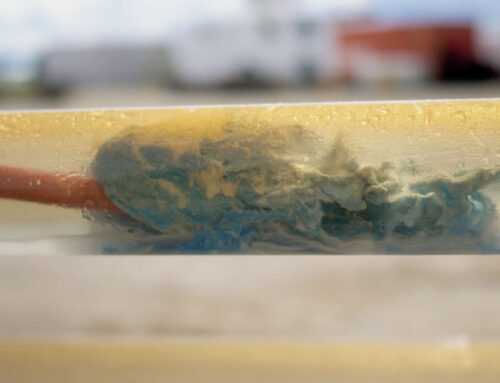
Drains are the primary source of “mystery” bathroom odors. Over months, hair, skin cells, and soap scum create a thick, snot-like coating called biofilm. This gunk is a feast for bacteria. Instead of pouring corrosive lye down your pipes, try a monthly flush of boiling water followed by a baking soda and vinegar reaction. The mechanical fizzing helps dislodge the sludge. If the smell persists, you might need a professional plumber to check if your roof’s vent stack is blocked by debris.
Pro Toilet Tips and Cleaning Routines
Weekly cleaning isn’t just about making the sink shiny. To prevent bathroom odors, you need to hit the spots people forget: the base of the toilet bolts and the underside of the vanity. For daily upkeep, pick a product from our list of the 8 Best Toilet Bowl Cleaners to ensure the ceramic stays porous-free. If you smell sewage, the wax ring seal between your toilet and the floor might be compromised, allowing sewer gas to seep into the room 24/7.
Garbage Disposal and Proper Storage
The trash bin is an obvious culprit for bathroom odors, but the fix is more than just emptying it. You need to wash the bin itself because plastic absorbs smells. Furthermore, look at your storage habits. Damp loofahs, old sponges, and half-open bottles of perfumes create a cluttered scent profile that can turn sour in a humid room. Seal your products, dry your loofahs, and keep the garbage moving out of the house daily.
Addressing the Musty Threat: Mildew and Mold
Mildew produces that classic “wet earth” bathroom odors that can trigger allergies. Regularly inspect the corners of your ceiling and the caulking around the tub. If you see black spots, kill them immediately with a bleach solution or a mold-specific fungicide. If mold keeps coming back in the same spot, you likely have a hidden water leak behind the drywall that needs a professional eye to diagnose.
Frequently Asked Questions About Bathroom Odors
Why does my bathroom smell like sewage even after a deep clean?
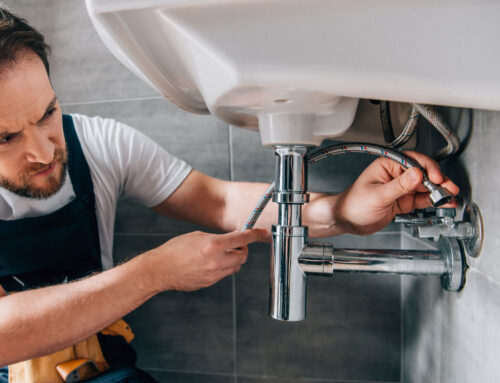
This is usually a sign of a dried-out P-trap or a failing wax ring seal at the base of the toilet, which lets sewer gases bypass the plumbing barriers.
Can a blocked roof vent cause bathroom odors?
Yes. If the vent stack on your roof is clogged by debris or ice, sewer gases cannot escape upward and are pushed back through your indoor drains.
Is the musty smell in my bathroom dangerous?
Musty smells are caused by mold or mildew spores. While common, they can impact air quality and indicate hidden water damage that might compromise your home’s structure.
Conclusion: Keeping it Fresh
Removing bathroom odors isn’t a one-time event; it’s about staying on top of the small things. Consistent cleaning, checking your fan, and maintaining your drains will keep your home smelling like a home. But look—if you’ve scrubbed every inch and that rotten egg smell is still lingering, don’t wait. Give Lifetime Plumbing a call. We’ll bring the tech, find the source, and fix it for good.