Skokie Restaurant Owners: A Guide to Grease Trap Compliance and Maintenance
Running a kitchen in Skokie is hard enough without your floor drains backing up during a Saturday night rush. It’s messy, expensive, and a quick way to lose your customers’ trust. While the menu and staff get all the attention, your restaurant’s survival actually depends on something much less glamorous: your grease trap.
In Skokie, grease trap maintenance isn’t just a “good idea”—it’s the law. If you let it slide, you’re looking at more than just a bad smell. We’re talking massive municipal fines and sewer backups that can shut your doors for good. Here is a straight-talk guide on keeping your kitchen legal and your pipes flowing.
The Reality of FOG in Skokie
The Village of Skokie and the MWRD don’t play around when it comes to Fats, Oils, and Grease (FOG). When grease goes down your drain, it doesn’t just disappear. It cools, sticks to the walls of the sewer, and creates “fatbergs.” These blockages are a nightmare for the city’s infrastructure and a leading cause of basement flooding.
Think of your grease trap as a filter. It’s there to catch the gunk before it hits the main line. Because every kitchen is built differently, you need commercial plumbing services to make sure your trap is actually the right size for your equipment. A trap that’s too small is basically useless.
What the Inspectors are Looking For
If a Skokie inspector walks into your kitchen today, they’re checking for three specific things:
- Valid Permits: You can’t DIY a grease trap installation. It has to be done by a licensed pro with the right paperwork on file with the Village.
- The 25% Threshold: This is the big one. If the combined grease and solids in your trap take up more than 25% of its capacity, you’re in violation.
- The Paper Trail: You need to keep every single cleaning log and disposal receipt for at least three years. If you can’t prove you cleaned it, as far as the city is concerned, you didn’t.
Better Habits for a Cleaner Kitchen
Stop the Grease at the Source
The easiest way to save money on plumbing is to keep the grease out of the pipes to begin with. We call this “dry scraping.” Tell your dish crew to scrape every scrap of food and every drop of oil into the trash before the dishes hit the pre-rinse sink. It’s a simple habit that saves you thousands in drain cleaning costs over the year.
Spotting Trouble Early
Your plumbing will usually try to tell you there’s a problem before it explodes. Call a local plumber if you notice:
- Water pooling around floor drains.
- That classic “rotten egg” smell that won’t go away.
- Sinks that take forever to drain, even after you’ve cleared the surface debris.
Skokie’s Old Pipes and New Problems
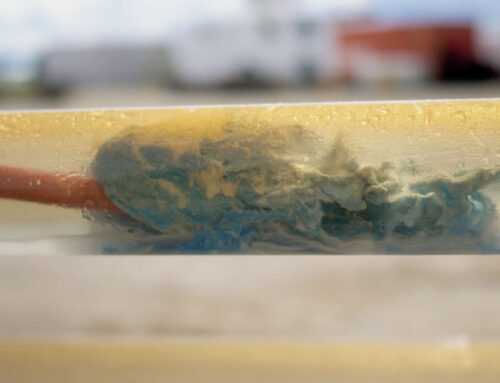
A lot of commercial spaces in Skokie are in older buildings. That means you’re likely dealing with old cast-iron or clay pipes. These materials are magnets for grease buildup. We see plumbing issues in Skokie all the time where the pipes have narrowed down to the size of a straw because of years of grease accumulation.
If your lines are heavily choked, a standard snake won’t cut it. You’ll need hydro-jetting. It’s basically a power washer for the inside of your sewer line. It’s the only way to get those old pipes back to their original diameter without digging up the floor.
The Financial Side: Why “Cheap” is Expensive
| Neglect Factor | The Real Cost |
|---|---|
| Village Fines | Can easily hit $500–$1,000 per day until you fix the issue. |
| Emergency Repairs | Emergency plumbing rates are significantly higher than scheduled maintenance. |
| Lost Business | If the health department shuts you down on a Friday, that’s thousands in lost revenue. |
FAQ
How often do I really need to pump my trap?
Most Skokie restaurants need a professional pump-out every 4 to 6 weeks. If you have a high-volume fry station, you might need it even more often to stay under that 25% limit.
Can I use Drano or enzymes to dissolve the grease?
No. In fact, please don’t. Harsh chemicals can liquefy the grease just long enough to get it into the city’s main line, where it hardens again. This creates massive headaches for plumbers and can make you liable for damage to the public sewer.
What happens during a routine check?
A pro will empty the trap, but they should also be checking the baffles (the internal dividers). If those are rusted or missing, the trap won’t work. For older buildings, we also recommend a sewer camera inspection to make sure there aren’t any hidden cracks in the line.
Is my kitchen layout correct?
Every sink that handles food waste—3-compartment sinks, prep sinks, and mop sinks—needs to be tied into the grease interceptor. You can check our system diagrams to see if your current setup is missing anything vital.
The Bottom Line
Don’t let your grease trap be an afterthought. Staying on top of preventive maintenance is the cheapest insurance policy you can buy for your restaurant. It keeps you on the right side of the law and keeps your kitchen running smoothly.
Lifetime Plumbing knows Skokie restaurants. We know the codes, we know the buildings, and we know how to keep your drains clear.
Ready to schedule a check-up? Give us a call for reliable Skokie plumbing services.